



-
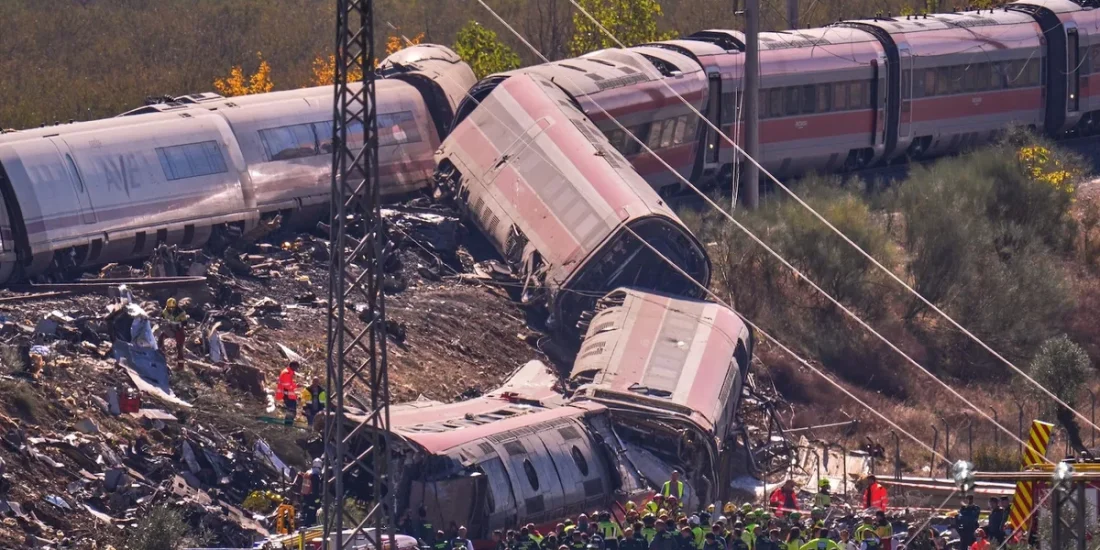
Urda Train Crash in Spain: Investigation, Criminal Liability and the Rights of Foreign Victims
The serious railway accident near Urda, in the Spanish province of Toledo, on 28 October 2026 has raised important questions about railway safety, the circumstances leading to the collision and the possible responsibilities of the companies and public bodies involved. Beyond the immediate consequences for the victims and their families, the accident calls for a thorough and independent investigation capable of establishing precisely what happened, why the railway safety systems failed to prevent the collision and whether any acts or omissions may give rise to criminal liability under Spanish law. The international dimension of the tragedy is particularly significant. Foreign passengers and their families face the additional challenge of following technical and judicial investigations conducted in another country, often in an unfamiliar language and legal system. For those affected, understanding the causes of the accident and establishing accountability may be just as important as obtaining financial compensation. What happened in the Urda railway accident? According to the information reported in the immediate aftermath, the collision occurred on 28 October 2026 near Urda, approximately 100 kilometres south of Madrid, involving high-speed passenger trains operated by Renfe and Iryo. The accident caused numerous fatalities and injuries, prompting a major emergency response and raising serious concerns about the circumstances in which the trains were operating immediately before the collision. The precise sequence of events, including the operation of signalling systems, communications between railway personnel and the functioning of the safety mechanisms, will be central to the investigation. At this stage, it is essential to distinguish between established facts, preliminary information and hypotheses concerning the causes of the accident. A technical malfunction does not necessarily establish negligence, just as compliance with ordinary operating procedures does not automatically exclude responsibility. Only a detailed examination of the available evidence can determine whether the accident resulted from human error, infrastructure deficiencies, operational failures, inadequate safety procedures or a combination of circumstances. Foreign passengers and families affected by the accident The presence of passengers from different countries gives the Urda accident a significant international dimension. Foreign nationals travelling in Spain enjoy the same fundamental rights to safety, access to justice and effective judicial protection as Spanish passengers. Their nationality or place of residence does not prevent them from participating in judicial proceedings or pursuing legally available remedies. For families living abroad, however, obtaining reliable information may prove particularly difficult. Relatives may need to communicate with Spanish hospitals, police authorities, forensic institutions, railway operators, consulates and judicial bodies. In fatal cases, the identification of victims, the release and repatriation of remains, the delivery of official documentation and access to forensic findings may require coordination between several authorities. Diplomatic and consular assistance can play an important role, but it does not replace independent legal representation where families wish to obtain access to the investigation or participate formally in judicial proceedings. Foreign victims should not be placed in a position where geographical distance or language barriers prevent them from understanding how the accident occurred or from exercising their procedural rights. The technical investigation: establishing the causes of the collision A major railway accident in Spain normally gives rise to an independent technical safety investigation, separate from any criminal or civil proceedings. The purpose of the technical investigation is to reconstruct the accident, identify its immediate and underlying causes and recommend measures to prevent similar incidents. In Spain, railway accident investigations fall within the institutional framework established by Spanish railway safety legislation and Directive (EU) 2016/798 on railway safety, as amended and implemented. The investigation should examine the condition of the railway infrastructure, the operation of signalling and train protection systems, the movement and speed of the trains, communications between drivers and traffic controllers, maintenance records and the applicable operating procedures. Signalling, train protection and operational decisions Particular attention must be paid to the systems intended to prevent collisions between trains. Modern railway networks rely on several layers of protection, including signalling, traffic control, automatic train protection systems and operating protocols designed to prevent unsafe train movements. Investigators must establish which systems were installed and operational on the relevant section of track, whether they functioned as intended and whether the circumstances of the collision exposed any technical or organisational shortcomings. It will also be necessary to examine the decisions taken by railway personnel and traffic controllers, the information available to them at the relevant time and whether the applicable procedures were appropriate and correctly implemented. The importance of preserving evidence The technical investigation will depend heavily on the preservation and examination of evidence. Train event recorders, signalling logs, radio communications, electronic records, maintenance documentation and operating instructions may be essential to reconstructing the sequence of events. Independent experts may also be required to examine the interaction between the trains, the infrastructure and the safety systems. For victims and their families, the preservation of this material is particularly important because the technical findings may later have consequences for criminal proceedings and civil liability claims. The role of Renfe, Iryo and ADIF The accident involves several entities with different responsibilities within the Spanish railway system. Renfe is Spain's state-owned railway operator, while Iryo is a private railway operator with Spanish and Italian corporate participation. Both operate passenger services within the Spanish railway network. ADIF, the Spanish public railway infrastructure manager, has responsibilities relating to the infrastructure and the management of railway traffic within its sphere of competence. The existence of several entities does not mean that all necessarily bear responsibility for the accident. Their respective obligations must be examined in light of the applicable legislation, operational arrangements and technical evidence. The investigation must determine whether any relevant failure occurred in train operation, traffic management, infrastructure maintenance, signalling, safety supervision or the coordination between the entities involved. It must also distinguish between an isolated operational error and a possible organisational or systemic failure. That distinction is fundamental, particularly when assessing whether responsibility might extend beyond the individuals directly involved in the operation of the trains. What the preliminary findings reveal about the safety system failure Information released in the days following the accident has begun to clarify some of the circumstances preceding the collision. According to reports published by RTVE and other Spanish media, the LZB automatic train protection system suffered a major failure at approximately 8:30 a.m., affecting a section of the Madrid–Seville high-speed railway. The malfunction caused several trains to stop automatically. Railway traffic then had to be managed through alternative operating procedures involving the ADIF control centre and direct communications with train drivers. Preliminary accounts indicate that the Renfe train was subsequently authorised to resume its journey, while the Iryo train remained stationary ahead of it. The central question is why the Renfe train was allowed to continue towards a section of track still occupied by another train, and whether the applicable safety procedures were correctly followed. According to information reported on 31 October, Spain's Minister of Transport acknowledged that the procedures applied after the signalling failure were incorrect and that the collision could have been prevented. These statements are significant, but they do not replace the findings of the technical and judicial investigations. The evidence will need to establish the precise instructions issued, the information available to the control centre, the actions of the drivers and the reasons why the successive safety barriers failed to prevent the accident. Could the accident give rise to criminal liability in Spain? The possibility of criminal responsibility is one of the most important legal questions arising from the tragedy. Under Spanish criminal law, serious negligent conduct causing death or injury may constitute an offence, particularly under Articles 142 and 152 of the Spanish Criminal Code (Código Penal). However, criminal liability cannot be inferred solely from the seriousness of the accident or the existence of a technical or operational failure. It must be established that an identifiable person breached a legally relevant duty of care, that the breach was sufficiently serious to constitute criminal negligence and that it was causally connected to the deaths or injuries. Individual responsibility and organisational failures The criminal investigation may examine the conduct of railway traffic controllers, operational supervisors, maintenance personnel and other individuals whose decisions or omissions may have contributed to the accident. It may also need to determine whether the relevant decisions were made in accordance with established procedures, whether personnel received adequate training and whether the organisations concerned had implemented appropriate safety controls. An important distinction must be drawn between an individual mistake and an organisational failure that made the accident possible. For example, if an employee followed instructions that were themselves unsafe or inadequate, the investigation may need to examine the responsibilities of those who designed, approved or supervised the relevant procedures. The identification of an operational error should therefore not necessarily mark the end of the investigation. At the same time, the attribution of criminal liability to companies or public bodies is subject to specific limitations under Spanish law. Corporate criminal responsibility cannot simply be presumed from the conduct of employees, and the position of public entities requires particular consideration. The rights of victims in criminal proceedings Spanish criminal procedure allows victims and, in appropriate circumstances, relatives of deceased victims to participate actively in proceedings. Depending on their legal standing, they may seek access to the case file, request investigative measures, submit expert evidence, challenge certain judicial decisions and pursue the civil liability arising from an alleged criminal offence. For foreign families, this possibility is particularly relevant. Participation in the judicial investigation can serve a purpose extending beyond compensation: obtaining an accurate account of the events, examining the evidence and ensuring that potential responsibilities are properly investigated. The extent and timing of access to the investigation may nevertheless be affected by procedural restrictions, including any order imposing confidentiality during the investigative stage. Independent technical investigations and judicial proceedings The technical safety investigation and criminal proceedings pursue different objectives. The technical investigation seeks to determine the causes of the accident and recommend improvements to railway safety. Its purpose is preventive rather than punitive. The criminal investigation, by contrast, examines whether particular conduct may constitute a criminal offence and whether the legal requirements for individual responsibility are satisfied. These investigations may consider overlapping evidence, but their conclusions are not interchangeable. A technical finding identifying a safety failure does not automatically establish criminal negligence. Conversely, the absence of criminal liability does not necessarily mean that the railway system operated satisfactorily or that no civil liability exists. For victims and families, understanding this distinction is essential when interpreting official reports and developments in the judicial proceedings. The particular challenges facing foreign victims Foreign passengers and their relatives may encounter practical difficulties in obtaining information and exercising their rights. Spanish judicial proceedings are generally conducted in Spanish. Official documentation, expert reports, witness statements and procedural decisions may therefore require translation and legal explanation. Families residing abroad may also need assistance obtaining death certificates, forensic documentation, medical records and evidence relevant to the circumstances of the accident. Where criminal proceedings are opened, foreign victims may be represented by Spanish legal professionals, subject to the applicable procedural requirements. Their participation may be coordinated with lawyers in their country of residence, particularly where the accident has consequences involving foreign employment, insurance, inheritance or family law. Consular assistance and independent legal representation perform different functions and may complement one another. Civil liability and compensation: a separate but related question Although establishing the causes of the accident and determining responsibility should remain the immediate priorities, the tragedy also raises questions concerning the legal remedies available to victims. Regulation (EU) 2021/782 on rail passengers' rights and obligations, together with the CIV Uniform Rules and applicable Spanish legislation, establishes a framework governing railway carrier liability for passenger deaths and injuries. Victims may also have rights under Spain's compulsory passenger accident insurance system, independently of the final determination of civil liability. Compensation may encompass physical injuries, psychological consequences, financial losses and, in fatal cases, the harm suffered by qualifying relatives. For foreign victims, the assessment may need to take account of medical treatment received abroad, loss of earnings in their country of residence and the circumstances of dependent family members. These matters should be addressed without losing sight of the broader purpose of the investigation: determining what happened and whether the tragedy could have been prevented. Frequently asked questions Can foreign victims participate in the Spanish criminal investigation? Yes, provided they meet the applicable procedural requirements. Foreign nationality does not, in itself, prevent victims or qualifying relatives from participating in Spanish criminal proceedings through appropriate legal representation. Who investigates a serious railway accident in Spain? A serious railway accident may be investigated by the competent independent railway safety investigation body and, separately, by the judicial authorities. The Guardia Civil may also carry out investigative activities under judicial direction. Does a railway signalling failure automatically establish criminal liability? No. Criminal responsibility requires proof of the elements of a specific offence, including a legally relevant breach of the duty of care and the necessary causal connection with the resulting harm. Can families request additional investigative measures? Where they have the appropriate procedural standing, victims and qualifying relatives may request investigative measures and submit relevant evidence, subject to judicial assessment and procedural rules. Can foreign relatives follow proceedings without residing in Spain? Generally, yes. Spanish legal representatives can undertake many procedural steps on their behalf, although particular proceedings may require personal participation or additional formalities. Must the criminal investigation be completed before compensation can be considered? Not necessarily. Certain insurance benefits, advance payments and preliminary claims may be pursued while investigations continue. The relationship between criminal and civil proceedings must nevertheless be assessed carefully. International legal assistance for victims and families The Urda railway accident illustrates the importance of independent technical investigations, transparent judicial proceedings and effective access to justice for victims of major transport disasters. For foreign passengers and their families, understanding the investigation, obtaining reliable information and exercising procedural rights in Spain may require specialist legal assistance. BCVLEX has experience in international personal injury litigation, transport accidents and cross-border liability disputes, including cases involving complex technical evidence and proceedings in several jurisdictions. The firm can assist foreign victims and families in understanding the Spanish judicial process, following the investigation, assessing possible criminal and civil responsibilities and protecting their interests throughout the proceedings. For further information, visit BCVLEX.
-
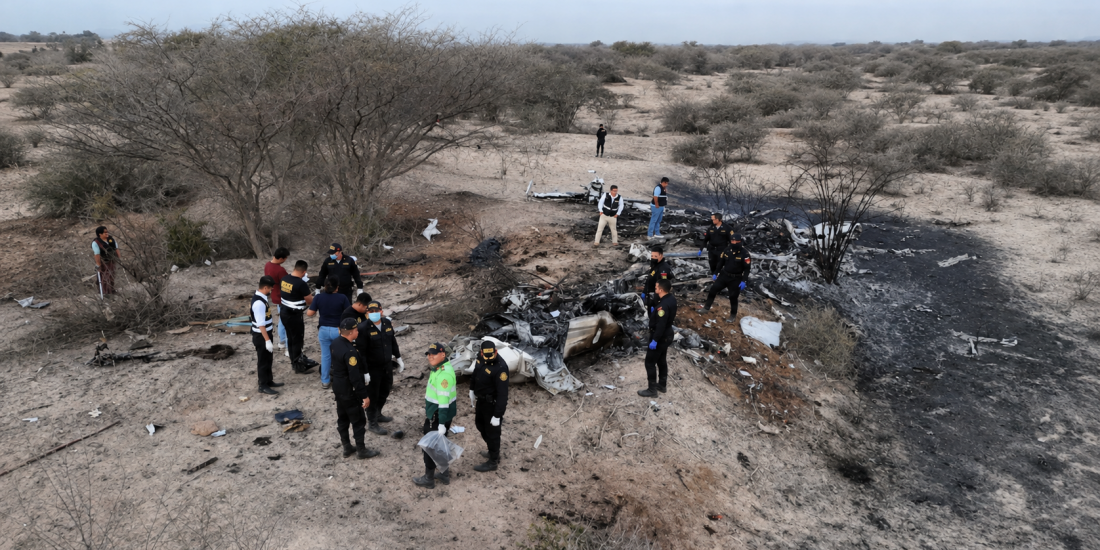
Accidente de avioneta en las Líneas de Nazca: qué se sabe hasta ahora y qué cuestiones deberá esclarecer la investigación
El accidente de la avioneta turística ocurrido el 1 de agosto de 2026 durante un vuelo de observación sobre las Líneas de Nazca, en Perú, ha vuelto a
-

The Los Gallardos (Almería) fire: who might be responsible for the tragedy?
The devastating fire that broke out in Los Gallardos (Almería) has once again brought to the fore a question that goes beyond the emergency itself and the
-

Spain’s New Draft Law on Collective Actions: A Long-Delayed EU Obligation
On 14 March 2025, Spain’s Official Gazette of Parliament published the Draft Law on Collective Actions for the Protection of Consumer Rights. The bill seeks
-

Justice delivered over 2015 fighter jet crash. Court orders Lockheed Martin to pay compensation to families of two Greek pilots killed during NATO exercise in Spain Justice delivered over 2015 fighter jet crash The Los Llanos Air Base after the F-16 went down, in January 2015
This article was originally published in Ekathimerini and was written by Yiannis Papadopoulos on 06/06/2025. According to the script of the NATO exercise held at the
-

Is a pet worth the same as a suitcase? The ECJ examines the case of Mona, represented by BCVLex
The Court of Justice of the European Union (ECJ) is currently considering a question with far-reaching legal and emotional implications: Can the loss of a
-

Helicopter Crash in New York: Spanish Family Dies in Tragedy Over the Hudson River
The team of BCVlex is deeply saddened by the news of the tragic helicopter crash that occurred in New York on April 10, claiming the
-

Arbitration in France and Spain
Arbitration is an effective alternative for resolving commercial disputes in France and Spain, allowing companies to avoid lengthy and costly legal proceedings. This mechanism is
-

Mediation in France and Spain: Dispute resolution with BCVLEX
Mediation has become an effective tool for resolving conflicts quickly, cost-effectively and in a way that is satisfactory for the parties involved. In both Spain
-

Cross-border litigation between companies in France and Spain
Cross-border disputes between companies operating in Spain or France are becoming more and more frequent due to the globalization of business. This type of litigation
-

Enforcement of titles or court decisions for companies in France and Spain: legal strategies with BCVLEX
In the business world, compliance with a court decision or title after a dispute is crucial for the protection of the company's economic rights. In
-

Commercial leases in France and Spain: everything you need to know with BCVLex
Commercial leases are key agreements for companies looking to establish or expand their operations in markets such as France or Spain. These contracts not only
-

Commercial agency contracts in France and Spain: everything you need to know with BCVLex
Agency contracts are a fundamental tool for companies that want to expand their presence in new markets, such as Spain and France, without the need
-

Claiming or recovering debts between companies in France and Spain
In the business world, unpaid debts can seriously affect the financial stability of any company. When a company fails to meet its payment obligations, the
-

Drafting and negotiation of contracts with customers, suppliers or partners in Spain or France
In the business world, properly drafting and negotiating contracts is essential to ensure strong business relationships and avoid future conflicts. At BCVLex, we pay particular
-

Drafting and negotiation of companies’ statutes in France and Spain
The drafting and negotiation of the articles of association is one of the most important steps in in setting up a company, as these documents
-

Incorporation of Companies or subsidiaries in France and Spain
Globalization and international expansion are strategic goals for many companies and professionals looking to grow and diversify their businesses. In this context, the incorporation of
-

Joint ownership and dissolution of co-ownership of real estate in Spain or France
The division of real estate is a legal situation in which several owners share the ownership of a property without it having been materially divided
-

Disputes relating to the liquidation and division of an estate involving property in Spain or France
Managing an estate can become a complex process, especially when assets are located in different countries, such as Spain and France. An inheritance lawyer offers
-

Conflict between heirs in cross-border successions: Spain and France
Conflicts between heirs can be complex and difficult, especially in the context of a cross-border succession involving different jurisdictions such as Spain and France. This
-

Amicable resolution of inheritances: advantages and procedures in Spain and France
The amicable resolution of an estate allows the heirs to manage the distribution of the deceased's estate in a consensual manner, avoiding legal confrontation and
-

Lawyer for victims of criminal offences
The assistance of a lawyer is crucial in guiding victims through the complexities of the criminal procedure and helping them overcome the emotional and practical
-

Legal Advice on the Purchase and Sale of Real Estate
The purchase and sale of real estate is one of the most important transactions that a person or company can make, both in terms of
-

Criminal defence
Criminal defence guarantees the fundamental rights of those involved in criminal proceedings. Criminal law aims to ensure a fair trial, with respect for the presumption
-

Rights and obligations of tenants
Tenants, by signing a lease, acquire a number of rights that guarantee their protection, but they also assume strict obligations that they must respect. Tenants' rights:
-

The Rights and Obligations of the Landlord
The role of the landlord, as the owner of a property rented under a lease agreement, is regulated by strict regulations in Spain and France. The
-

Protection of Adults: Guardianship, Curatorship, and Legal Safeguards
Certain adults, due to impaired mental or physical faculties, may be unable to manage their affairs on their own. To protect them, several legal protection
-

The procedure for changing your name
The surname and first name are an essential element of individual identity, linked to filiation and family history. However, it is possible, under certain conditions,
-

Grandparents’ rights
The right of grandparents to maintain relations with their grandchildren is recognized and protected by law. This right is fundamental to maintaining family ties and
-

Filiation
Filiation is a fundamental concept in family law, which defines the legal relationship between a child and his or her parents. This link is crucial
-

Parental Responsibility and Custody: Two Fundamental Concepts in Family Law
In the field of family law, two of the most relevant concepts are parental authority and custody of minor children. Both terms have a direct
-

Modification and Liquidation of the Matrimonial Property Regime
The matrimonial regime determines the administration and division of property between spouses during the marriage and in the event of divorce or death. There are
-

Divorce and Separation
Couples can be united by marriage, the PACS (Civil Solidarity Pact) in France or a simple union which may or may not appear on the
-

Enforcement of titles and court decisions: how to proceed and protect your rights
The enforcement of titles and court decisions is the legal process by which the performance of an obligation recognized by an enforceable title or a
-

Debt collection: how to proceed and protect your rights
Debt collection is the process by which a creditor seeks to recover an amount owed by another person or entity. This procedure can vary in
-

Law of Obligations and Contractual Liability: Key Concepts and Methods of Claim
The law of contractual obligations and liability governs the relationship between parties who have entered into a contract, defining mutual rights and obligations. When one
-

Class actions: How They Work and When to File Them
Class actions are used by a group of people affected by a common problem who decide to file a joint claim against an entity or
-

Defective products: how to take action and claim compensation
Defective products can cause physical, emotional, or material damage to consumers. Identifying a defect and seeking compensation is essential to ensure fairness and safety. This
-

Maritime accident: What to Do and How to Apply for Compensation
Maritime accidents, whether they occur on ships or port facilities, can have serious consequences for passengers and crew members. Knowing how to take action and
-

Accidents at Work and Occupational Illness: how to identify them and Claim Compensation
Occupational accidents and diseases can seriously affect the health and well-being of workers. Recognizing these cases and knowing what rights are available is essential to
-

Medical Malpractice: What It Is and How to Make a Claim
Medical malpractice refers to the failure of a healthcare professional to provide appropriate care, which can result in serious harm to patients. Knowing how to
-

Sports, tourist or domestic accidents: what to do and how to claim
Sports, tourist or domestic accidents can occur at any time, affecting people's health and tranquillity. Knowing the steps to take and your rights is essential
-

Road traffic accidents: what to do and how to claim
Road accidents can have serious consequences both personally and materially. Knowing how to act immediately after the incident and how to handle a complaint is
-

Damage to animals or baggage in air transport: how to act and claim
Transporting animals and baggage by air can lead to incidents such as damage, loss or even more serious situations. Knowing passenger rights and claims procedures
-

Delays, cancellations and denied boarding: passenger rights
Delays, cancellations, and denied boarding are common situations in commercial aviation that significantly affect passengers. This article explores what these issues entail and how passengers
-

Personal injury in the aviation sector: what it is and how to claim compensation
Personal injury in the aviation sector includes physical or psychological damage sustained during a flight or at airport facilities. Knowing the rights and procedures for
-

BCVLex Celebrates International Women’s Day by Inspiring Future Lawyers
This March 8th, BCVLex marked International Women’s Day in a unique and meaningful way. Our partner, Rebeca Martínez, visited a preschool to share her journey
-

Why You Need an International Lawyer for Tourist Transportation: Protecting Travelers on Buses, Boats, and More
In today’s interconnected world, travel has become easier and more frequent than ever. But as tourism expands, so do the risks of transportation accidents—whether on
-

Aviation accident: how can a Aviation Law Lawyer help you?
Air accidents, whether they involve planes, ULM, helicopters or other aircraft, are devastating events that have serious consequences for the victims and their families. In
-

BCVLex secures €10,000 compensation for a foreign tourist injured in a Tenerife hotel
In December 2024, BCVLex law firm obtained a fully favorable judgment on behalf of a foreign tourist who sustained a serious injury while staying at
-

BCVLex obtains compensation for a tourist injured in Punta Cana.
A recent case handled by BCVLex highlights the importance of specialist legal advice in the event of accidents during international travel. The firm successfully represented a
-

Resolving Cross-Border Successions with Assets in Spain: A Legal Challenge
Cross-border successions involving real estate in Spain and France have increased due to the globalization process over the past decades. With the rise in unions between
-

I have been a victim of bank fraud; what is my bank’s responsibility?
Discovering that you have been the victim of a scam is a discouraging and frustrating experience. In moments like these, it’s natural to question your
-

Enforcement of foreign court decisions in France
France's recognition and enforcement of foreign judicial decisions stand as a cornerstone of its commitment to international legal cooperation. This article delves into the nuanced
-

Recognition of Foreign Judgments in Spain
In Spain, the recognition of foreign judgments is a crucial legal process facilitating the enforcement of judicial decisions made in other countries. Governed by international
-

New legal breakthrough in the protection of our pets during flights
From our law firm BCVLex, we are at the forefront of a judicial event of great importance for the protection of our pets during flights.
-

Consumer complaint for defective product: new success for BCVLex.
On December 4, 2023, the Court of First Instance No. 13 of Malaga resolved a claim for the purchase of a non-compliant product, agreeing with
-

Legal Responsibilities and Compensation in the Event of Fire
Fires are devastating events that can have tragic consequences for people and their material goods. In the event of an incident occurring on the 22nd
-

Cross-border disputes between Cyprus and Spain
Relations between Cyprus and Spain have experienced significant evolution over the years, reflecting the global interconnection, the dynamics of the European Union and the excellent
-

Flight cancellations: favorable decision for consumers
BCV Lex is pleased to have obtained compensation for its client after an airline refused to cover the cost of cancelling a flight. Refund for Flight
-

Debt recovery and judicial enforcement in France
The recovery and enforcement of foreign debts in Spain offer significant advantages. As indicated in our article on Debt Recovery and Execution in Spain, this
-

Air crash in Tokyo: Responsibilities and Compensation
On January 2, 2024, a fatal collision occurred on one of the runways at Tokyo's Haneda airport, between a Japanese Coast Guard aircraft and a
-

Debt Recovery and its Judicial Execution in Spain
The recovery and enforcement of foreign debts in Spain offer significant advantages. They optimize financial recovery, strengthen trust in international transactions, and ensure compliance with
-

Tragic New Year’s Eve 2023: Bus Accident in Talavera de la Reina, Traffic Accident in Burguillos de Toledo and Villaluenga, and light Aircraft Accident in Beteta
The end of 2023 has been especially tragic in Spain, in terms of accidents. Bus accident in Talavera de la Reina: Last New Year's Eve, Talavera de
-

Compensation for Botulism Victims: Rights and Resources
A 32-year-old woman has died and twelve other people are currently hospitalized after consuming canned homemade sardines served in a bar-restaurant in the city of
-

Rebeca Martínez Appointed Co-Chair of the Aeronautical and Space Law Section at the Illustrious Bar Association of Madrid
The Illustrious Bar Association of Madrid has named Rebeca Martínez as the co-chair of the Aeronautical and Space Law Section. This appointment highlights her expertise
-

International Inheritances: Types of inheritances and how to claim them
An inheritance is the process by which the ownership of property, rights and obligations of a deceased person, known as the testator or deceased, is
-

I have inherited a real estate property in Spain or France: An example of Real Estate Succession for Foreigners
When it comes to inheriting a real estate property in Spain or France, foreigners may face additional challenges due to language barriers and unfamiliarity with
-

Theft in a hotel room in France, what liability?
The liability of hotels for theft is provided for by the Civil Code Indeed, article 1952 of the Civil Code provides that: "innkeepers or hoteliers are
-

RIO PARIS CRASH – APPEAL FROM THE ATTORNEY GENERAL
The judgment of April 17, 2023 was awaited by the families The disaster of flight AF447 Rio-Paris on June 1 , 2009, which claimed the lives
-
I have inherited in Spain or France: What to do?
When a foreign citizen inherits property in France or Spain, it is important to consider the specific laws and regulations of both countries. Below is
-

Claiming compensation in Spain for accidents suffered in Spanish hotels all over the world
The Spanish hotel sector is one of the most important in the world due to its great presence and relevance in the global tourism industry;
-

Medical negligence: How to get compensation?
Medical negligence is a very important topic in the field of law. When a healthcare professional fails to meet proper standards of medical care and
-

In-flight burn compensation, serving tea
You have suffered an in-flight burn, and want to request compensation? The BCVLex team informs you. The most innocuous gestures can sometimes have serious consequences. Luckily,
-

€25,000 compensation for a parasailing accident
You have been the victim of a parasailing accident and want to claim compensation? This news interests you! Once again, the team of BCVLex is
-

Compensation of €6,000 for a fall in the supermarket
BCVLex is pleased to have obtained compensation of €6,000 for a fall in the supermarket. After slipping on a grape in the produce section of
-

Airline delays – How to get compensation?
On 3 February 2022, the Court of Justice of the European Union (CJEU) completed its case law on compensation for delayed flights and clarified the
-

Insurance claim guide: Have you had an Sky Accident?
What to do if we suffer an accident at a ski resort? It is nothing new that snow sports fans are prone to accidents at ski
-
UPDATED: The nullity of goodwill and how it affects international successions
The nullity of goodwill and how it affects international successions As lawyers experts in claiming the nullity of the municipal capital gain, we have been announcing
-

Mediation of international successions
Mediation of international successions In today's world, there are many people in our close circle who live, have businesses, or have properties abroad. Currently, there are
-

Communication PIP (September, 24th of 2021)
As we informed you in our last communication, following the latest judgement of the Paris Court of Appeal, favourable to the victims, we have decided
-

Maritime work accidents: legal keys
Spain is a country with many kilometers of coastline and with busy maritime cabotage routes, which includes fishing boats, container carriers, oil, and gas tankers,
-
Tourist accidents abroad: How to act legally?
Tourist accidents abroad are relatively frequent. From unforeseen events of little importance, such as the breach of a vehicle rental or accommodation contract, to more
-

Golden Visa: a privileged way to move to Spain come from the UK
Since Brexit, British citizens have had a more difficult time coming to live in Spain. However, as in other neighbouring countries, Spain has certain measures
-

Rebeca Martínez, new partner of BCVLex Abogados
The BCV Lex team is proud and excited to announce the appointment of Rebeca Martinez Fariñas as the new partner of our Madrid office. She has
-

BCVLex participates in EU study on liability for damage caused by artificial intelligence
BCVLex is participating, as an expert firm, in a European Commission study on the development of new legislation on liability for damage caused by artificial
-

Carlos Villacorta named in the 2021 Best Lawyers Ranking!
He did it again! Carlos Villacorta, partner and director of BCV Lex Abogados (Spain), has been named for the second consecutive time in the Best
-

The movie «The last flight of the Sunbreeze» by José Luis Capel is now available
The movie "The last flight of the Sunbreeze", a documentary directed by José Luis Capel that reviews the events that occurred during the accident
-

Carlos Villacorta included in the Best Lawyer 2020 ranking.
Carlos Villacorta, managing partner of BCV Lex Abogados Avocats has just been included in the Best Lawyer 2020 ranking. Best Lawyers is the oldest and most
-

Seven people of different nationalities deceased in an air crash in Mallorca, Spain.
Image: EFE On August 25, 2019, at around 1:30 p.m., a fatal accident took place in the municipality of Inca (Mallorca, Spain ) in which seven people died when an ultralight
-

BCVLEX files the first product liability action against Airbus resulting from intoxication due to fumes in cabin.
In coalition with Alisa Brodkowitz, attorney of the Seattle based firm Friedman Rubin, BCV Lex has filed an action for damages on behalf of two
-
Three spaniards dead in the Swiss Alps due to an avalanch
Photo: Jean-Christophe Bott - EFE This post was written in collaboration with Silvio Riesen On 31th March 2018, three Spanish mountaineers died and other two were injured due
-
State liability for victims of terrorist attacks
The recent terrorist attacks in Barcelona and Cambrils (Spain) resulted in the deaths of many people, with victims suffering injuries of varying severity and some
-
Terrorist attacks in Barcelona and Cambrils (Spain)
Fifteen people lost their lives and more than 100 were injured on 17 August 2017 in Barcelona, victims of a terrorist attack (figures are not
-
Williams vs Mapfre: The justice system of England and Wales slips up badly
Certain insurance companies show a distinct lack of enthusiasm when it comes to legislation intended to protect consumers from the type of abuse that the
-
PIP Report – 01-03-2017
On 16 February 2017, the European Court of Justice answered the questions referred by the Bundesgerichtshof (German Supreme Court) concerning the interpretation of Directive 93/42
-

PIP report Nº6
TÜV, the German body responsible for the certification of PIP breast implants, was sentenced last January 20, 2017 by the Toulon Commercial Court in France,
-

ACCIDENTE DE BARCO EN BALI
El pasado 15 de septiembre de 2016 tuvo lugar un accidente en Bali (Indonesia), al producirse la explosión de un barco que transportaba a 35
-
Bus accident in Barcelona
A coach crashed in Barcelona on its way to El Prat airport on the 14th September 2016. At least 24 people were injured among which
-
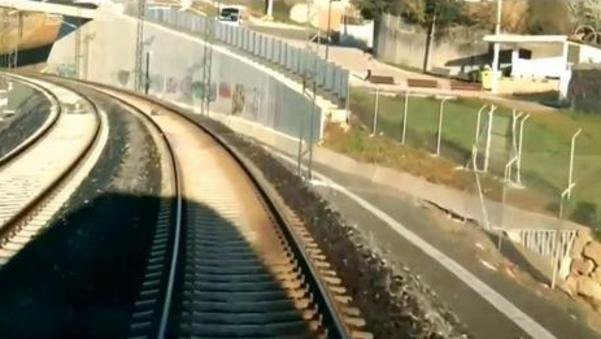
Deadly train crash in north-west Spain
At least four people have been killed and 47 hurt in a train crash near O Porrino in north-western Spain. About 60 passengers were on
-

2016 Global Justice Network Spring Conference
Global Justice Network’s recently held its 2016 Spring Conference in Madrid. More than thirty members of different countries attended to the meetings. The “Círculo de Bellas
-

Successful claim filed by the law firm BCVLex against the Spanish Tax Agency
This publication is intended for non-resident citizens in Spain who have paid succession or donation taxes in Spain in the last four years. Several complaints addressed
-
Metrojet A321 Sinai Tragedy
As days pass, families of deceased passengers of the Metrojet accident, the worst air catastrophe to hit Russian civil aviation, are still unable to fathom
-

10th seminar of The European Air Law Association on liability
The European Air Law Association (EALA) organizes, on September the 14th in Munich, the 10th seminar on Liability, passenger rights, and insurance in the air transport
-
Press realease nº3 PIP
On July 2nd, 2015, the Aix-en-Provence Court of appeal published its judgment on the appeal lodged by the notified body, TÜV Rheinland (TÜV), regarding the
-

PIP: Status note on proceedings 27-03-15
BCV Lex has filed multiple civil complaints in the PIP case at the Commercial Court of Toulon (France) in the last weeks against TUV Rheinland.
-
Historic Victory for the families of the Bashkirian Airlines accident
The 1st of July 2002, in German airspace, a Bashkirian Airlines Tupolev 154M aircraft collided in flight with a DHL Boeing 757. All occupants of
-
Second fatal Transasia crash: GE222 and GE235
On July 23, 2014, TransAsia Airways ATR 72-500 (72-212A), manufactured by Aerospatiale in Toulouse, France, in 2000 with 58 occupants onboard was destroyed in an
Post a Comment
You must be logged in to post a comment.